 Uniforms · Since 1974
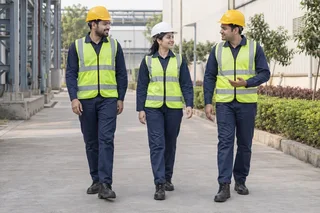
Describe the working conditions
Include movement, abrasion, weather, pocket use and laundry conditions in the brief. Separate everyday uniform needs from any protective equipment requirements.
Coveralls, safety uniforms and specialised treated fabrics engineered for protection first — manufactured in bulk for factories, plants and field teams.
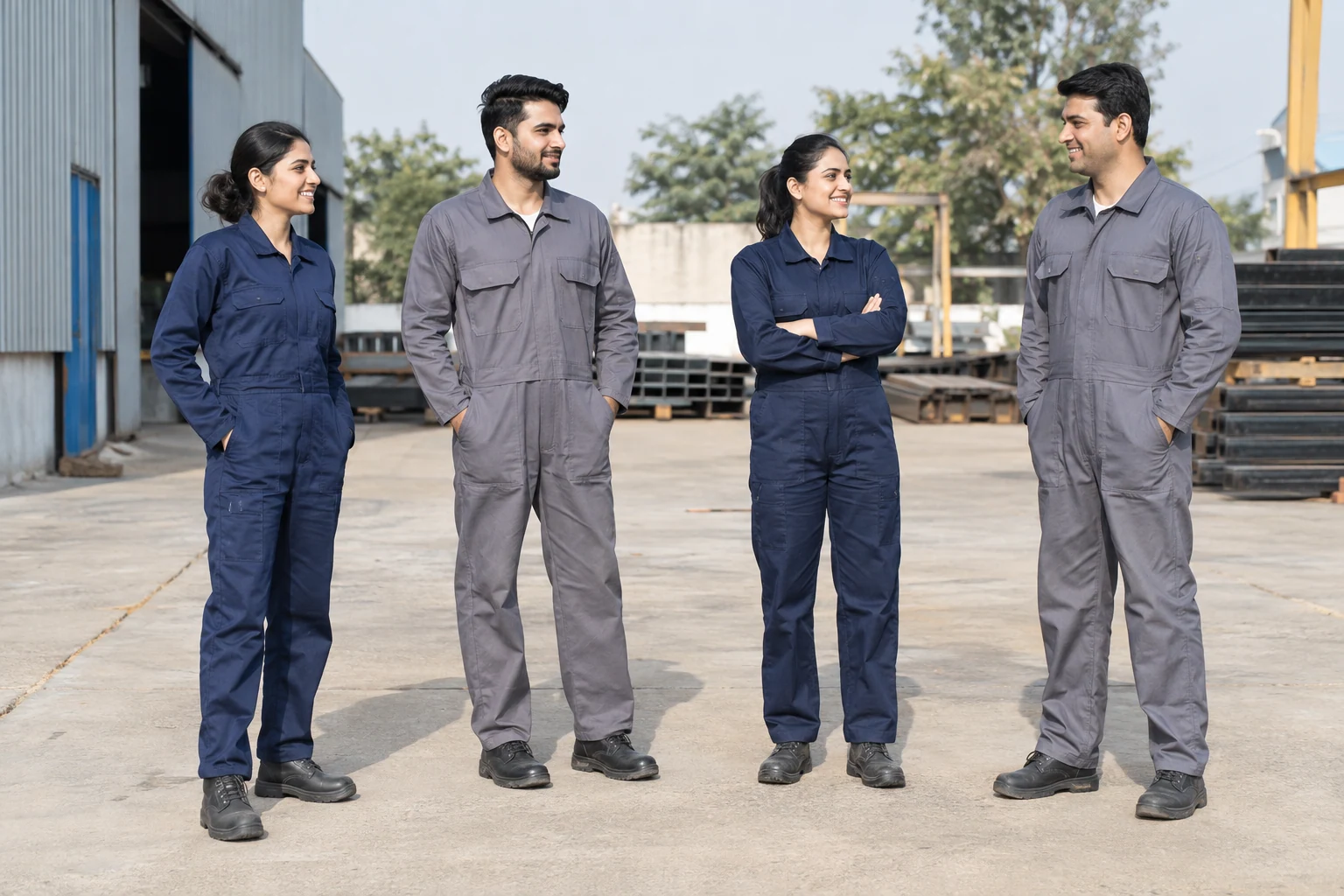
Find a direction for your team, school or brand. Every look can start a custom manufacturing brief.
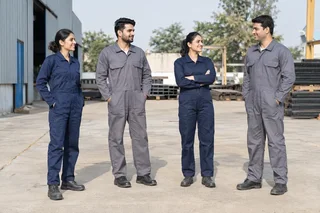
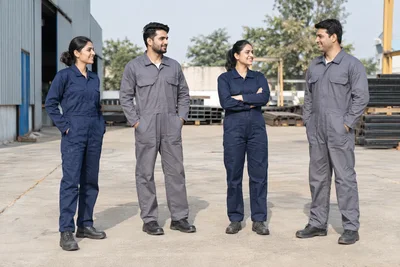
Navy and grey full-length workwear.
Explore this range
Orange and navy coveralls with reflective accents.
Explore this range
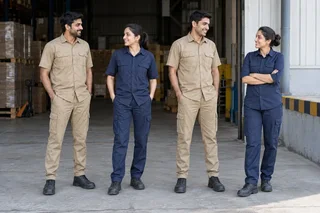
Khaki and navy work shirts with cargo trousers.
Explore this range
Navy workwear with high-visibility layers.
Explore this range
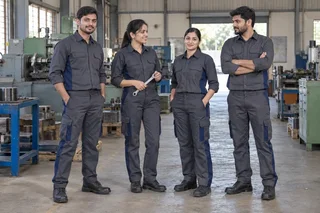
Charcoal uniforms with considered navy panels.
Explore this range
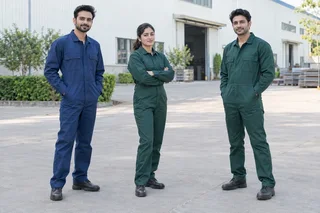
Blue and forest-green coveralls in coordinated cuts.
Explore this rangeIllustrative uniform concepts. Fabrics, colours, branding and construction are confirmed with your approved sample.
Choose the individual item you want to manufacture.
Plan everyday factory and workshop clothing around the role, movement and laundry requirements. Any protective performance must be confirmed against the applicable specification.
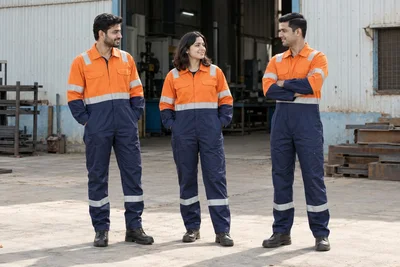
Single and two-piece coveralls with reinforced seams, bar-tacked stress points and tool pockets.
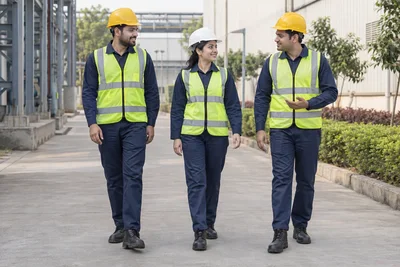
Fluorescent vests and shirts with reflective taping for road, yard and night crews.
Tell us any required fabric treatment or protective standard. Availability and supporting test documentation must be confirmed for the exact fabric and finished garment.
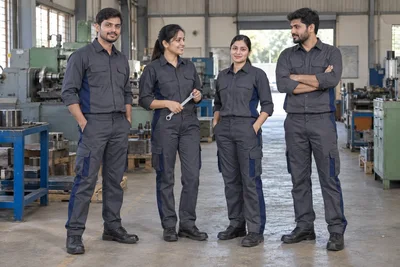
Everyday industrial uniforms in heavy-duty twills that survive rough use and frequent washing.

Clean, professional coats for QC labs, pharma and electronics assembly.
Workshop dungarees and heavy aprons for welding, carpentry and maintenance teams.
Industrial workwear fails at the seams first. We use heavy-duty twills, double-needle stitching and bar-tacks at stress points, with fabric treatments specified to your site’s hazards.
It depends on the job: 200–240 GSM twills suit general factory wear where breathability matters; 260–300 GSM drills suit heavy mechanical work needing abrasion resistance. We recommend after understanding your site.
Share the required standard, work conditions and laundering process. We will review availability and the documentation needed for the specific fabric and garment. Do not treat a catalogue image or a generic fabric description as proof of certified protection.
Yes. Individual names, departments and employee codes can be embroidered or heat-transferred per garment — supply us a list and each piece arrives labelled.
Service life depends on the fabric, construction, job, washing method and frequency of use. Agree the seam and reinforcement requirements on a sample, then assess wear in your own working conditions.
More questions? See the full FAQ page or ask us directly.
Include movement, abrasion, weather, pocket use and laundry conditions in the brief. Separate everyday uniform needs from any protective equipment requirements.
If protective clothing is required, provide the applicable standard and acceptance criteria. Confirm evidence for the exact supplied garment before using it for a protective purpose.
Check fit while reaching, bending and working with normal equipment. Record fabric, seam, fastening and care requirements, then agree size-wise quantities and delivery details.
Workwear fabric planning · Sample development · Quality control · Manufacturing steps